
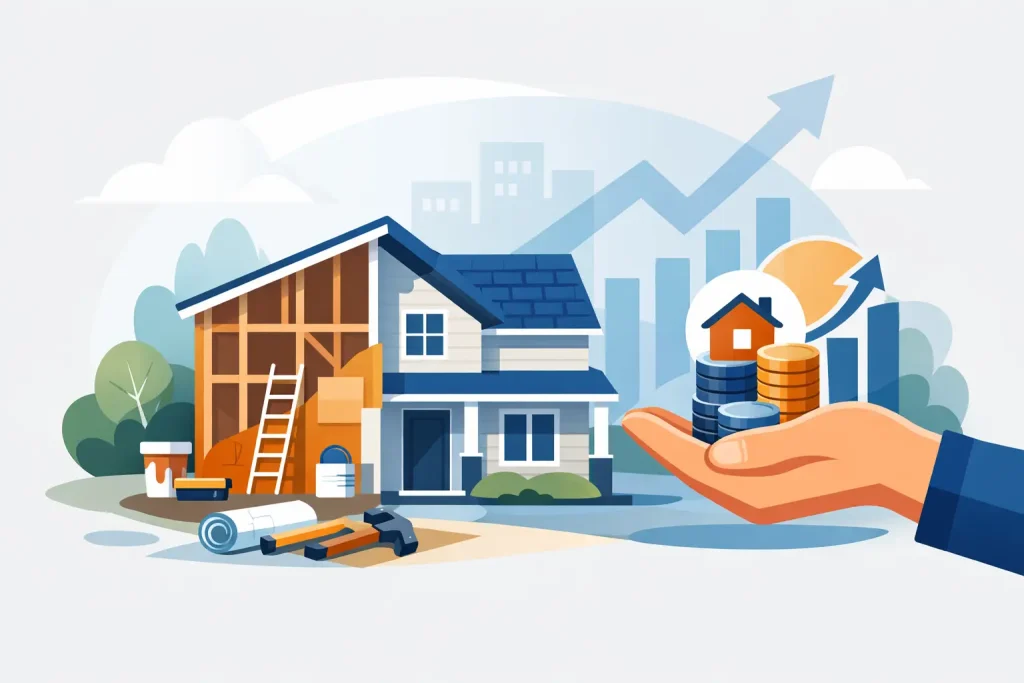
If you’re thinking about updating your house, the real question usually is not just, “What would look better?” It’s, “Will I get that money back?” That is why home remodeling projects return on investment matters so much for homeowners trying to improve comfort, appearance, and resale value without overspending.
The truth is, not every project pays you back the same way. Some upgrades make a strong first impression and help support a better sale price. Others improve daily life more than they improve market value. Both can be worth doing, but it helps to know the difference before you spend.
What home remodeling projects return on investment really means
Return on investment, or ROI, is simply the value you get back compared to what you spend. In remodeling, that return can show up in a few ways. Sometimes it is a higher resale price. Sometimes it is a faster sale. Sometimes it is avoiding bigger repair costs later.
That last point gets overlooked. A project does not have to be flashy to be smart. If you repair damage, update worn finishes, or take care of issues that buyers notice right away, you may protect the value of your home even if the return is not measured in a perfect dollar-for-dollar gain.
For most homeowners, the best approach is practical. Focus first on projects that improve condition, appearance, and broad buyer appeal. Save highly personal upgrades for a home you plan to stay in long term.
The best home remodeling projects return on investment usually starts with visible basics
The projects that tend to perform best are often the least glamorous. Clean, well-maintained homes consistently leave a better impression than homes with expensive but uneven upgrades.
Fresh paint is one of the clearest examples. Interior painting can make rooms feel brighter, cleaner, and more updated without the cost of a full remodel. Neutral colors usually appeal to more buyers than bold personal choices. Exterior painting matters just as much when siding, trim, shutters, or doors look worn. Curb appeal starts before anyone walks inside.
Small repair-driven updates also go a long way. Damaged drywall, stained ceilings, peeling trim, cracked caulk, and tired-looking doors can make buyers assume the house has been neglected. Fixing these issues is not exciting, but it supports value because it changes how the whole property feels.
Flooring updates often land in the same category. If carpet is badly worn or surfaces are outdated and damaged, replacing or refinishing them can make the home easier to sell. The return depends on the material and the neighborhood, but clean, durable, and consistent flooring usually beats patchwork upgrades.
Kitchens and bathrooms can help, but overspending is easy
Most homeowners hear that kitchens and bathrooms are where the money is. That can be true, but only when the scope matches the home.
A modest kitchen update often performs better than a high-end overhaul. Painting cabinets, replacing worn counters, updating hardware, improving lighting, and installing a new backsplash can make a kitchen feel current without pushing the budget too far. If the layout already works, keeping plumbing and electrical in place can help control costs.
Bathrooms are similar. Replacing an old vanity, updating fixtures, installing fresh tile in key areas, and repainting can deliver a solid visual improvement. Full luxury bathroom remodels may look great, but they do not always return what they cost, especially in mid-range neighborhoods.
This is where many homeowners lose money. They renovate for the nicest house on the block instead of the right house for the area. Buyers compare your home to nearby options. If your finishes go far beyond what is typical, they may appreciate them without paying enough extra to cover the investment.
Curb appeal often pays back faster than major interior changes
A home’s exterior does a lot of financial work. Buyers start making decisions from the street, and if the outside looks tired, they may expect trouble inside too.
Exterior paint, trim repair, entry door updates, and basic landscaping improvements tend to have strong practical value because they influence first impressions immediately. These projects also help signal maintenance. A clean, well-kept exterior makes the property feel safer, newer, and easier to own.
If your siding, porch rails, or wood trim have visible wear, addressing those items can make a bigger difference than adding trendy design features indoors. In many cases, exterior work is one of the smartest places to spend because it blends protection, appearance, and resale appeal.
For homeowners in the Kansas City area, this matters even more because weather takes a toll. Sun, moisture, heat, and winter swings can age exterior surfaces faster than people expect. Keeping the outside in good shape is not only about looks. It helps prevent avoidable damage that can drag down value later.
Projects with lower ROI are not always bad projects
A lower return does not automatically mean a project is a mistake. It just means you should be honest about why you are doing it.
Room additions, major layout changes, luxury finishes, and highly customized spaces often return less than homeowners expect. That is partly because they cost a lot to complete. It is also because buyers may not share the same preferences.
For example, turning a bedroom into a specialized office, adding premium built-ins everywhere, or installing very expensive designer materials can limit broad appeal. If you plan to stay in the home for years, that may be completely fine. You are paying for your own enjoyment. But if resale is a near-term goal, simpler updates usually make more sense.
How to improve ROI before you spend a dollar
The smartest remodeling decisions happen before the first can of paint is opened or the first wall is removed. Start by looking at your home the way a buyer would. What looks dated? What looks worn out? What suggests future maintenance?
Then compare that list to the standard of nearby homes. If most houses in your area have updated paint, solid flooring, and refreshed kitchens, those are likely the places where you need to stay competitive. If your house already meets that standard, spending heavily may not move the needle much.
It also helps to separate needs from wants. Deferred maintenance should usually come first. A home with fresh finishes but obvious repair issues can still lose value because buyers notice the problems underneath.
Getting a professional estimate is useful here because pricing often changes the decision. A project that seems expensive may be more manageable than expected. Another one may not be worth the cost once labor and materials are added up. That is one reason many homeowners appreciate working with a contractor that offers free estimates and flexible payment options, especially when the right upgrade should not have to wait just because of a large upfront labor bill.
Where painting fits into remodeling ROI
Painting deserves its own section because it is one of the few upgrades that can affect almost every room and every first impression at once.
Interior painting helps cover wear, brighten dark spaces, and make an older home feel cleaner and more current. It also photographs well, which matters when a property is listed. Exterior painting improves curb appeal while helping protect surfaces from weather exposure.
Compared to many remodeling projects, painting is usually more affordable and less disruptive. That makes it attractive for homeowners who want visible improvement without taking on a full renovation. It is not a magic fix for poor layouts or serious structural issues, but it can dramatically improve how a well-kept home is perceived.
For that reason, painting often delivers one of the better balances between cost and visible impact. Half Now Half Later Painting & Remodeling LLC focuses on exactly that kind of practical upgrade – work that helps homeowners improve their space now without making the payment side harder than it needs to be.
The best ROI project is the one that fits your house and timing
There is no single upgrade that wins in every situation. A home getting ready for sale may benefit most from paint, repairs, and curb appeal work. A house with an outdated kitchen may need a modest refresh to stay competitive. A property with obvious maintenance issues may need money spent on basics before anything cosmetic.
What matters most is fit. Fit for your neighborhood, fit for your budget, and fit for how long you plan to stay. If a project makes your home easier to maintain, better looking to buyers, and more comfortable for you right now, that is usually a strong place to start.
Before you choose the biggest project on your wish list, look at the simple improvements that make the whole house feel well cared for. Those are often the upgrades that pay you back in more ways than one.