
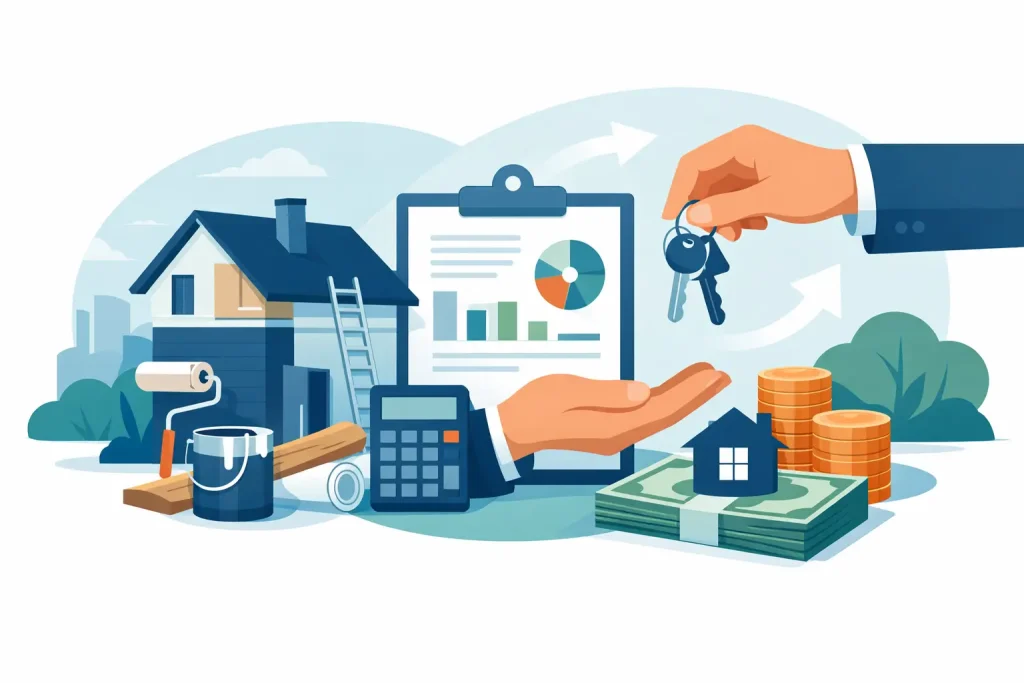
A faded exterior, scuffed walls, or a room that has never quite worked for your family can be hard to ignore. But even when the project is clearly needed, paying a large labor bill all at once can put it on hold. Home improvement payment plans give homeowners another way to move forward without waiting until every dollar is saved upfront.
For painting and remodeling work, a payment plan should make the project easier to budget, not harder to understand. The right arrangement is clear about what you owe, when payments are due, what is covered, and whether interest applies. Before you schedule a project, take a few minutes to look at the full picture.
Why payment plans matter for home projects
Most home improvement work is not optional forever. Peeling exterior paint can leave siding exposed to moisture. Worn interior walls can make an otherwise well-kept home feel dated. A needed repair, bathroom update, or commercial repaint may affect how comfortably you live or work in the space every day.
Still, homeowners often delay projects because labor costs arrive before they have had time to set aside the full amount. A payment plan can spread that cost into manageable installments. That can help you take care of the work while keeping room in your monthly budget for groceries, utilities, insurance, and the unexpected expenses that come with owning a home.
Payment flexibility is especially useful when the project has a practical deadline. Maybe you are preparing to sell, welcoming a new baby, repairing damage before weather gets worse, or getting a rental property ready for the next tenant. In those cases, waiting may cost more than starting with a clear payment arrangement.
How home improvement payment plans usually work
Every contractor and financing option is different, so never assume the details are the same from one company to another. Some plans divide the labor portion of a job into equal payments. Others may require a deposit for materials, followed by scheduled payments as work progresses or after the project is complete.
At Half Now Half Later Painting & Remodeling LLC, the focus is on helping customers manage labor costs with a no-interest payment plan. Materials and other project-specific expenses may be handled separately, which is why a written estimate matters. A good estimate gives you a clear understanding of the work, the materials, the payment schedule, and any conditions that apply.
No-interest financing can be a meaningful advantage, but only when you understand the terms. Ask whether the plan is truly no interest for the full payment period, whether there are late fees, and what happens if a payment is missed. Straight answers protect both the homeowner and the contractor.
Labor costs and material costs are not always treated the same
Painting and remodeling estimates commonly include labor, materials, prep work, repairs, and cleanup. A payment plan may cover one part of that total but not another. For example, paint, primer, drywall, flooring, fixtures, or specialty supplies may need to be paid for before work begins because the contractor must purchase them upfront.
That does not make the plan less helpful. It simply means you should budget for the full project instead of focusing only on the monthly payment. If the labor portion is spread out, you may be able to handle quality materials upfront while avoiding one large labor expense at the end.
Questions to ask before agreeing to a plan
The best time to discuss payment is before the work is scheduled, not after painters have started preparing your walls. A dependable contractor should be comfortable walking through the numbers in plain language.
Start by asking for the total project price and a breakdown of what is included. You should know whether prep work, minor surface repairs, paint or other materials, cleanup, and final touch-ups are part of the estimate. If a job has possible add-ons, such as extensive wood repair or hidden water damage, ask how those changes would be approved and priced.
Then ask how much is due upfront, how many payments you will make, and the exact due dates. If the plan is no interest, ask for that term in writing. It is also smart to ask whether you can pay the balance off early without a penalty.
You should also understand what happens if the scope changes. Home projects occasionally reveal issues that were not visible during the estimate, particularly with older homes. A clear process for change orders prevents surprise charges and lets you decide whether additional work fits your budget.
Choosing a payment amount you can actually maintain
A lower monthly payment may sound appealing, but the payment still needs to fit comfortably into your household budget. Before agreeing to a plan, look at your regular monthly expenses and leave some room for normal surprises. Car repairs, medical bills, school costs, and appliance failures do not wait for the perfect time.
It can help to treat the payment like any other fixed bill. Decide where it will come from each month before you sign an agreement. If the planned payment would require you to rely on a credit card or skip other necessities, consider reducing the project scope, choosing a different timeline, or completing the work in phases.
For example, you may choose to repaint the most-used rooms first and schedule less urgent spaces later. On an exterior project, you may address damaged trim and the most exposed sides of the home before taking on additional upgrades. Phasing is not always the fastest option, but it can be the right choice when budget control matters most.
When a payment plan is a smart choice
Home improvement payment plans work best when the project is necessary, the terms are clear, and the scheduled amount fits your budget. They can be a practical choice for homeowners who want to improve curb appeal before listing a property, refresh an outdated interior, repair worn surfaces, or complete a project that has been delayed too long.
They can also help business owners plan commercial painting around cash flow. A fresh, professional-looking space supports customers, employees, and tenants, but a large one-time labor cost may be difficult to absorb. Splitting eligible labor costs into planned payments can make scheduling easier.
A payment plan may not be the best answer for every job. If the work is mostly cosmetic and your budget is already stretched thin, waiting and saving may bring more peace of mind. The goal is not to take on a project just because payments are available. The goal is to make a needed or worthwhile project more manageable.
Watch for terms that create problems later
Be cautious with offers that focus only on a very low monthly number while leaving out the total cost, interest rate, or repayment length. A plan is only affordable when you know the full obligation. Read the agreement before signing, keep a copy of the estimate and payment terms, and make sure verbal promises are reflected in writing.
It is also wise to choose a contractor based on more than financing. Look for clear communication, a detailed estimate, a professional process, and a willingness to answer questions. Flexible payments are valuable, but they should support quality work, not distract from it.
For homeowners across the Kansas City metro, a free estimate is a simple place to start. You can discuss the condition of your home, your project goals, and what payment arrangement may make sense before making a commitment. A well-planned paint or remodeling project should leave your space looking better and your budget feeling respected.